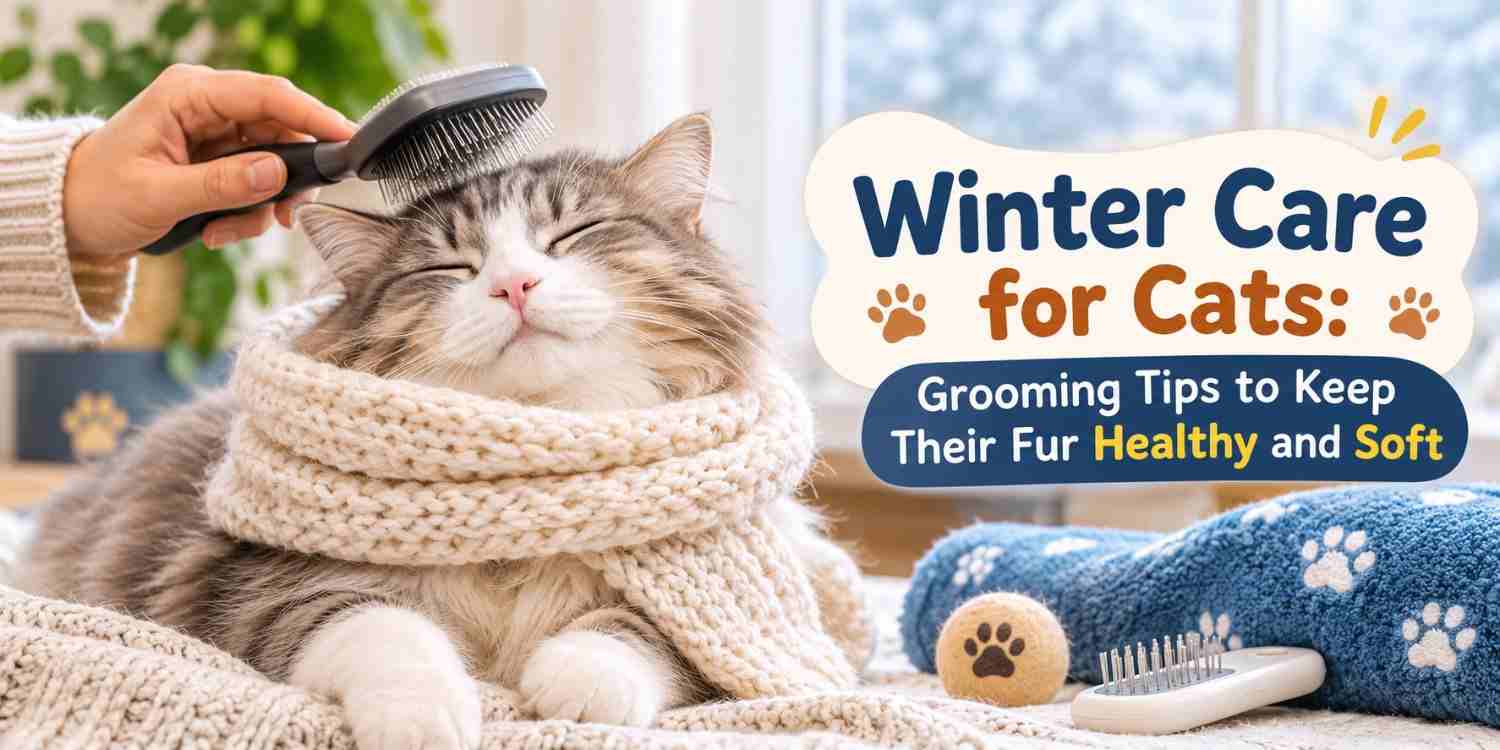
Here are some things that change during winter in the lives of cats. Cats tend to stay inside more often and will rest in warm corners while cleaning themselves at their favorite sunny places. However, winter also brings with itself certain problems like dry skin and coat issues due to the cold and dry weather. Cat owners may notice loose hair, tangles, flaky skin or dull coat of their pet during this season.
Care for cats during winter is important to make sure that cats fur remains healthy and untangled and a happy kitty. Proper grooming, brushing and bathing can do wonders for cat. If you are looking for professionals to help with Cat Grooming in Delhi then making sure that you choose the one who understands the nature of cats fur is just as important. All even cats have their own ideas, about cat grooming.
Why Do Cats Need Extra Grooming Care in Winter?
Cats are natural groomers; however, they do not always manage to rid themselves of all loose hairs or tangles. Long-haired cats, elderly cats, and those that have trouble moving around may need additional help from their owners.
Also, the indoor heating system lowers the level of humidity, which may lead to dry and flaky skin. As noted by the RSPCA, dry air during winter makes a cat's skin itchy and sensitive. Brushing helps distribute natural oils throughout the coat.
The last reason to keep Winter Care for Cats is the hairball problem. Cats consume loose hair when grooming themselves. Brushing helps get rid of some of this loose hair before swallowing.
10 Essential Winter Cat Grooming Tips
1. Brush Your Cat Regularly
Brushing on a regular basis is one of the most simple Winter Cat Grooming Tips. It will get rid of all excess hairs, dirt and tangles while distributing the coat oils.
Long-haired felines are more prone to daily brushing to avoid any clumping especially around ears, chests, abdomens and legs. Short-haired cats require much less brushing but will definitely appreciate grooming.
Be sure not to make sessions too long and do it carefully. Never force your cat to groom if it gets too uncomfortable.
2. Choose the Right Grooming Tools
Every brush will not suit every cat. Choosing appropriate Grooming Tools makes Cat Fur Care in Winter easier.
- Soft-bristle brush: Suitable for gentle brushing and short-haired coats.
- Slicker brush: Can help remove loose hair and manage minor tangles when used carefully.
- Grooming comb: Useful for checking knots and working through longer coats.
Apply light pressure to prevent tugging on mats. In case you have tight and large mats, seek help from professionals instead of using scissors to remove them.
3. Pay Attention to Long-Haired Cats
Long-haired varieties such as the Persian cat are usually in more need of attention while grooming due to their tendency to get tangles. Attention should be placed where matting is common, including around the ears, legs and belly.
Grooming will assist greatly with Cat Fur Maintenance. Also, check the undercoat since tangles might hide in it.
4. Avoid Frequent Bathing
It is inherent for cats to always be clean. Healthy cats do not need frequent baths except when they get very dirty or when recommended by a vet.
Constantly giving baths can upset the natural oils of the skin that can lead to more dryness and irritations. Instead of having frequent baths for your cat just because it's winter, practice good Winter Care for Cats by having a responsible bathing schedule.
Use cat shampoo when necessary.
5. Watch for Dry and Flaky Skin
Cat Dry Skin in Winter may develop due to low humidity levels indoors. Small flakes, more scratching or changes in your cat’s fur can be observed.
Inspect your cat’s skin while grooming. If your cat exhibits signs such as constant itching, redness, bald spots, sores or excessive flaking, consult a vet. There can be multiple reasons for this problem, such as allergies, parasites or infections, rather than blaming cold weather.
6. Maintain a Comfortable Indoor Environment
Cats like warm locations, but heating will make them feel uncomfortable in the place where they sleep. Make sure that their bedding is far from any heat sources and provide a cozy place where they can have some rest.
In case the air inside the house is too dry, a good functioning humidifier will do a great job at maintaining proper humidity level. It will be useful for Cat Skin Care in Winter, but not an alternative to veterinarian care.
7. Keep Your Cat's Paws Clean
Paw care is also another essential aspect of grooming during winter. If you have outdoor cats, chances are that your pets will get mud or other foreign objects in their paws as they roam around. You must examine between the toes and the paw pads to see if there are any problems. Gently wipe them using a damp cloth, and ensure that there are no cuts or redness.
8. Support Coat Health Through Proper Nutrition
Fur health is more than just brushing. Proper nutrition ensures a balance of nutrients needed to ensure skin and coat health.
Omega-3 fatty acids help in ensuring skin health, but there is no need for extra supplementation in all cats. It is important to consult a veterinarian before giving fish oil or any supplement to your cat.
Clean fresh water should also be readily accessible to the cat. This is essential to the health of your pet and a component of proper Winter Care for Cats.
9. Make Grooming Sessions Comfortable
While some cats enjoy being brushed, others like to watch from afar. Grooming should be introduced slowly, and at times when the cat is calm.
Gentle brushing is recommended, along with praise and stopping at the first sign of pain in the cat. Shorter grooming sessions are more successful than long sessions.
For pet parents who need professional assistance, Pet Grooming at Home can offer a convenient way to arrange grooming without taking their cat to a physical grooming location.
10. Maintain a Consistent Grooming Schedule
Consistency is more important than complex grooming. Look out for any loose fur, knots, dirt, and strange skin changes in your cat’s coat.
The grooming schedule should be based on the length of the coat, age, lifestyle, and personal preferences. Some older cats or those who have mobility issues will require more assistance in cleaning themselves.
By adhering to these easy Winter Care for Cats tips, you can ensure that the coat stays clean and tangle-free.
When Should You Contact a Veterinarian?
Grooming keeps the fur clean; however, grooming alone cannot detect all skin issues or solve them. Consult a vet should your cat have:
- Persistent scratching or excessive licking.
- Red, inflamed or irritated skin.
- Bald patches or unusual hair loss.
- Thick flakes, sores or scabs.
- Pain or discomfort during grooming.
- A sudden change in normal grooming behaviour.
According to ASPCA, when cats have strange skin reactions, excessive hair loss or continuous scratching, then they should be seen by a vet. This will help them to diagnose any underlying issues with respect to the problem such as infection, parasites or other illnesses.
Keep Your Cat's Fur Healthy This Winter with Cloudytailz
Healthy cat coat requires proper maintenance and handling along with a comfortable environment. Brushing, detangling, paw cleaning and responsible bathing are little things that make grooming easy. Winter Care for Cats will be an added advantage to notice any problem associated with skin and coat health of your cat.
Cloudytailz is providing pet grooming and door-step pet care services for cats and dogs. This way we can help pet parents in grooming their pets without going to a store. You can contact Cloudytailz via Google Search and can get all the information regarding your pet’s requirements.
Provide your cat with proper care, comfortable space to rest and grooming regularly. Because happy cat with soft and healthy coat makes winter more special.